The NMC Social Media Guidelines 2023 lay down 11 strict rules every doctor in India must follow online. From banning patient photos and testimonials to prohibiting self promotion and public treatment advice, these regulations redefine professional conduct on social media. This post explains what doctors can and cannot do to stay ethical, legal, and safe in the digital world.
NMC Social Media Guidelines 2023 for Doctors: What Every Registered Medical Practitioner Must Know
The National Medical Commission (NMC) has formally laid down clear rules on how Registered Medical Practitioners (RMPs) should conduct themselves on social media under the NMC Registered Medical Practitioner (Professional Conduct) Regulations, 2023. These regulations recognize the growing influence of platforms like X (Twitter), Instagram, YouTube, Facebook, and personal websites in healthcare communication, while also warning about the serious ethical and legal risks of misuse.
In today’s digital world, a single post can reach lakhs of people within minutes. While this creates an opportunity for public health education, it also increases the risk of misinformation, patient privacy violations, and unethical self promotion. The NMC regulations attempt to draw a clear boundary between ethical medical communication and professional misconduct.
This article explains the 11 core principles laid down by NMC in simple language for every doctor to understand and follow.
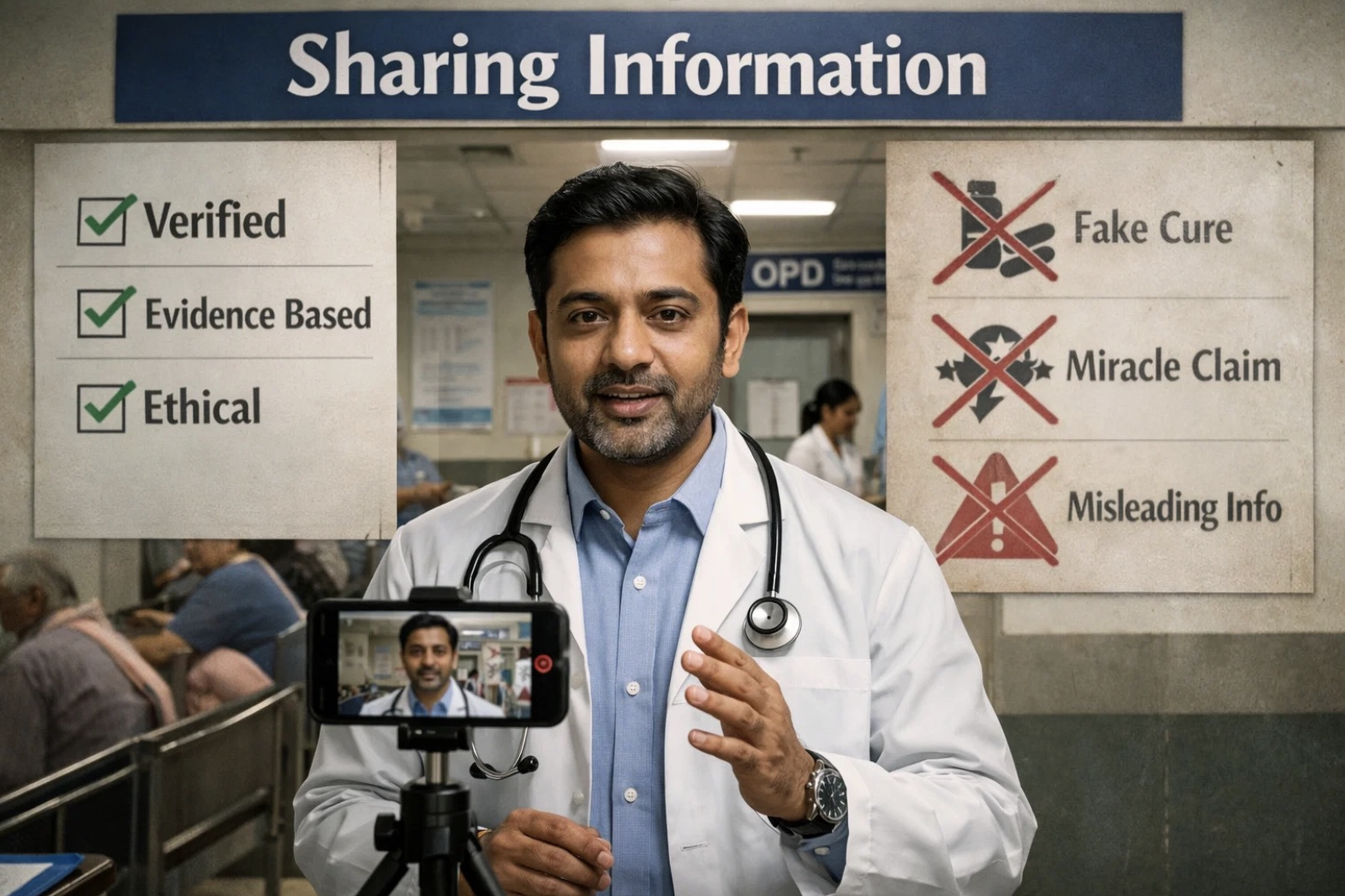
1. Sharing Information on Social Media
The NMC allows RMPs to use social media platforms to share factual, scientific, and verifiable medical information. Doctors can educate the public about diseases, prevention, and general health awareness. However, the content must not be misleading, exaggerated, or designed to exploit patients’ fear, anxiety, or vulnerability. Any form of sensationalism, half truths, or promotional storytelling disguised as education can invite disciplinary action.
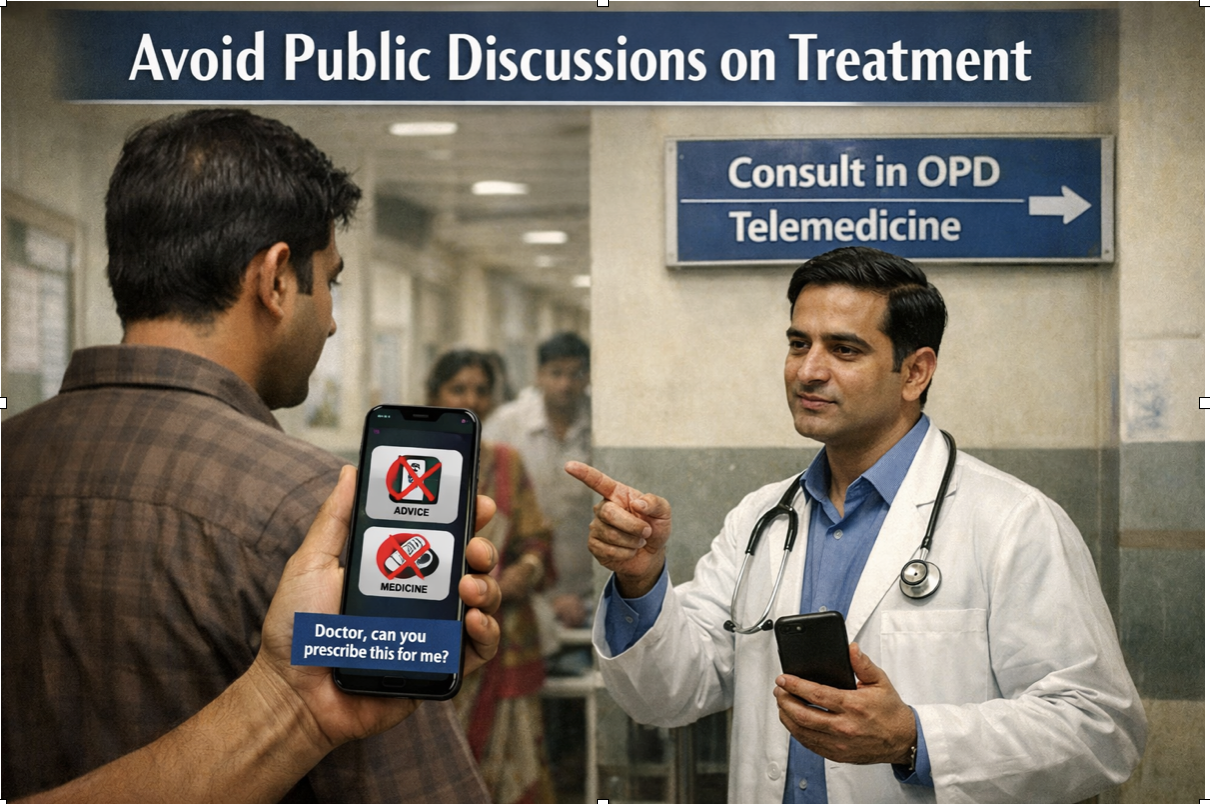
2. Avoid Public Discussions on Treatment
Doctors must not discuss individual patient treatment or prescribe medicines on public social media platforms. Social media is not a clinic, and medical advice cannot be reduced to comment replies or DMs. If a patient approaches a doctor through social media, the doctor should guide them towards a proper telemedicine consultation or an in person visit, depending on the situation. This protects both the patient and the doctor from unsafe medical decisions and legal consequences.
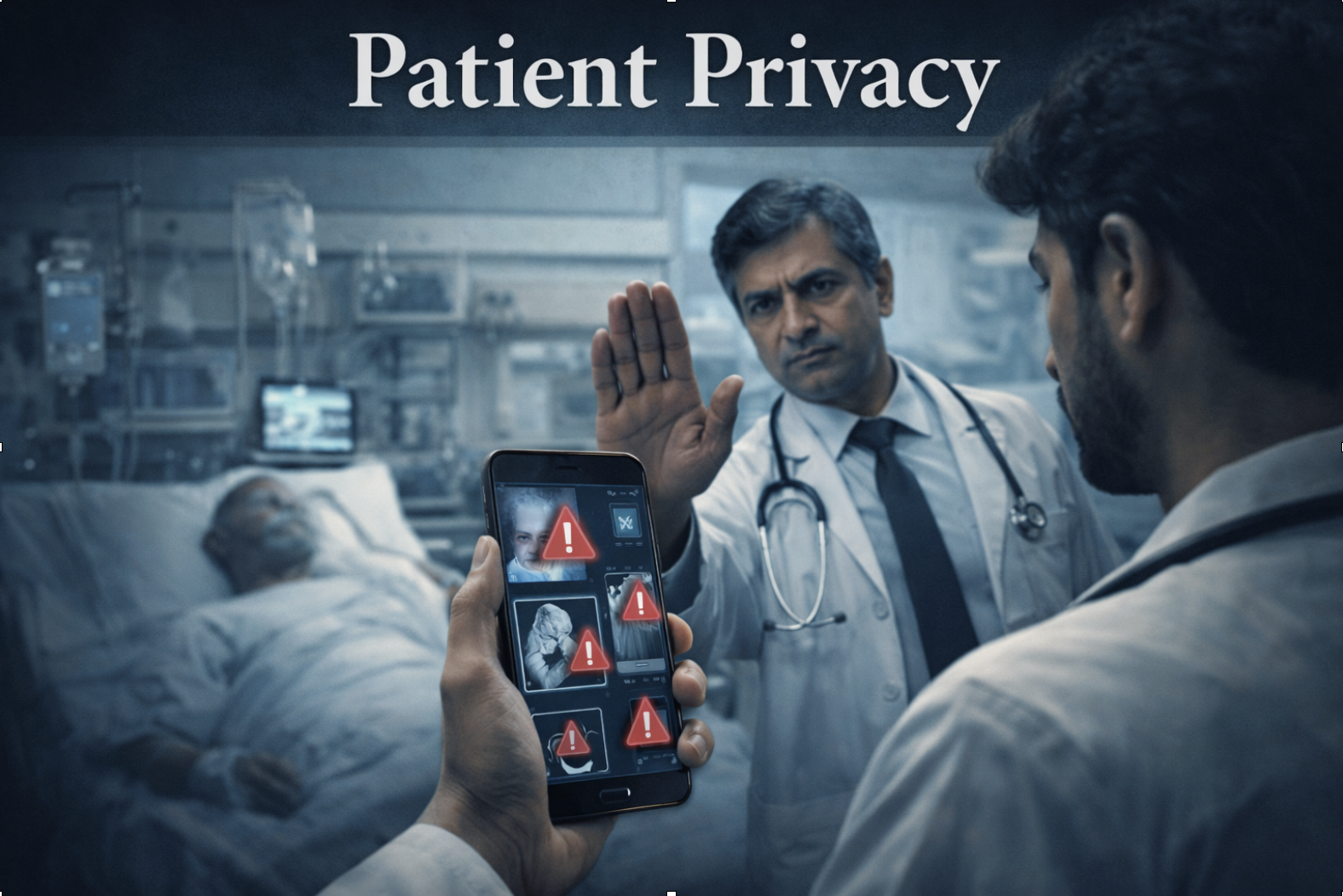
3. Patient Privacy Is Absolute
The regulations strictly prohibit posting patient photographs, investigation reports, scans such as CT, MRI, PET scans, operative images, or any patient related visual material on social media. The logic is simple and important. Once something is uploaded online, it becomes public data and can be downloaded, shared, morphed, or misused indefinitely. Even if names or faces are hidden, the risk of identification and misuse remains.
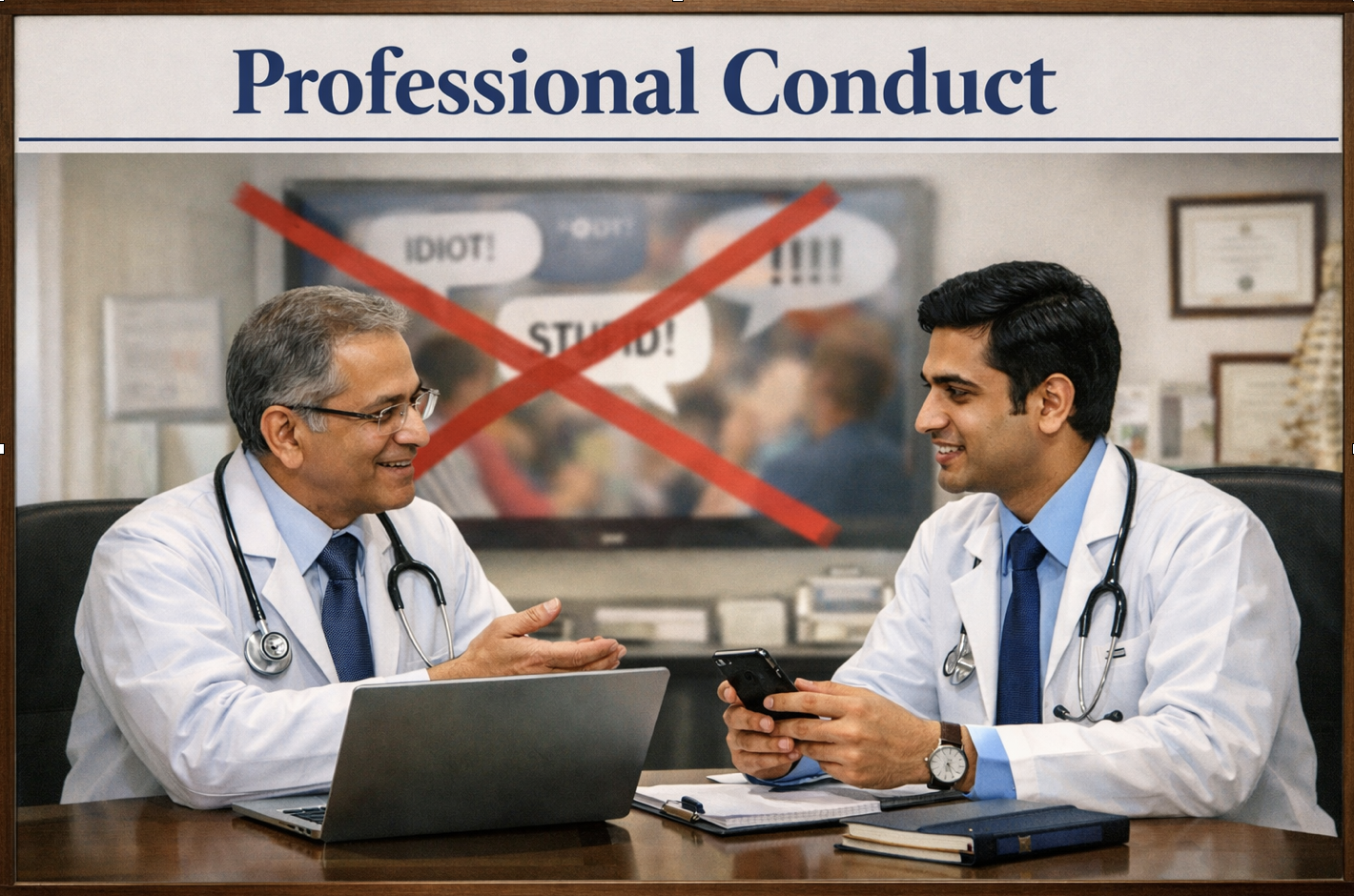
4. Professional Conduct with Colleagues
RMPs are expected to follow the same standards of medical ethics and professional dignity online as they do offline. Public fights, mocking colleagues, insulting other doctors or healthcare workers, or creating drama driven content damages the profession as a whole and can be treated as professional misconduct.
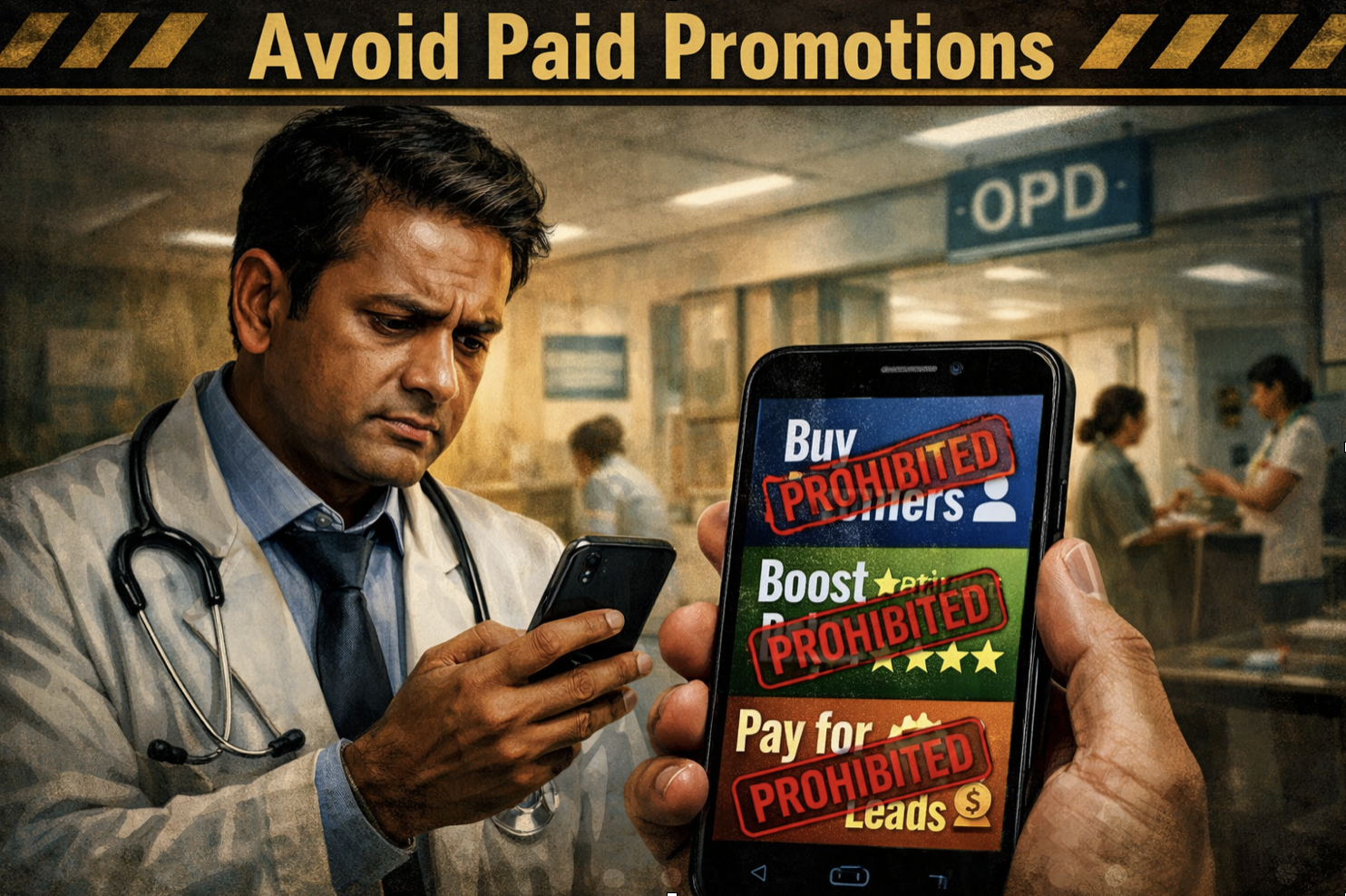
5. Avoid Paid Promotions and Artificial Growth
The NMC clearly states that doctors must not engage in practices such as buying likes, buying followers, or paying for higher search rankings. Similarly, doctors should not register on apps or platforms that charge money in exchange for higher ratings, better visibility, or patient leads. Such activities are considered indirect advertising and commercialization of the profession.
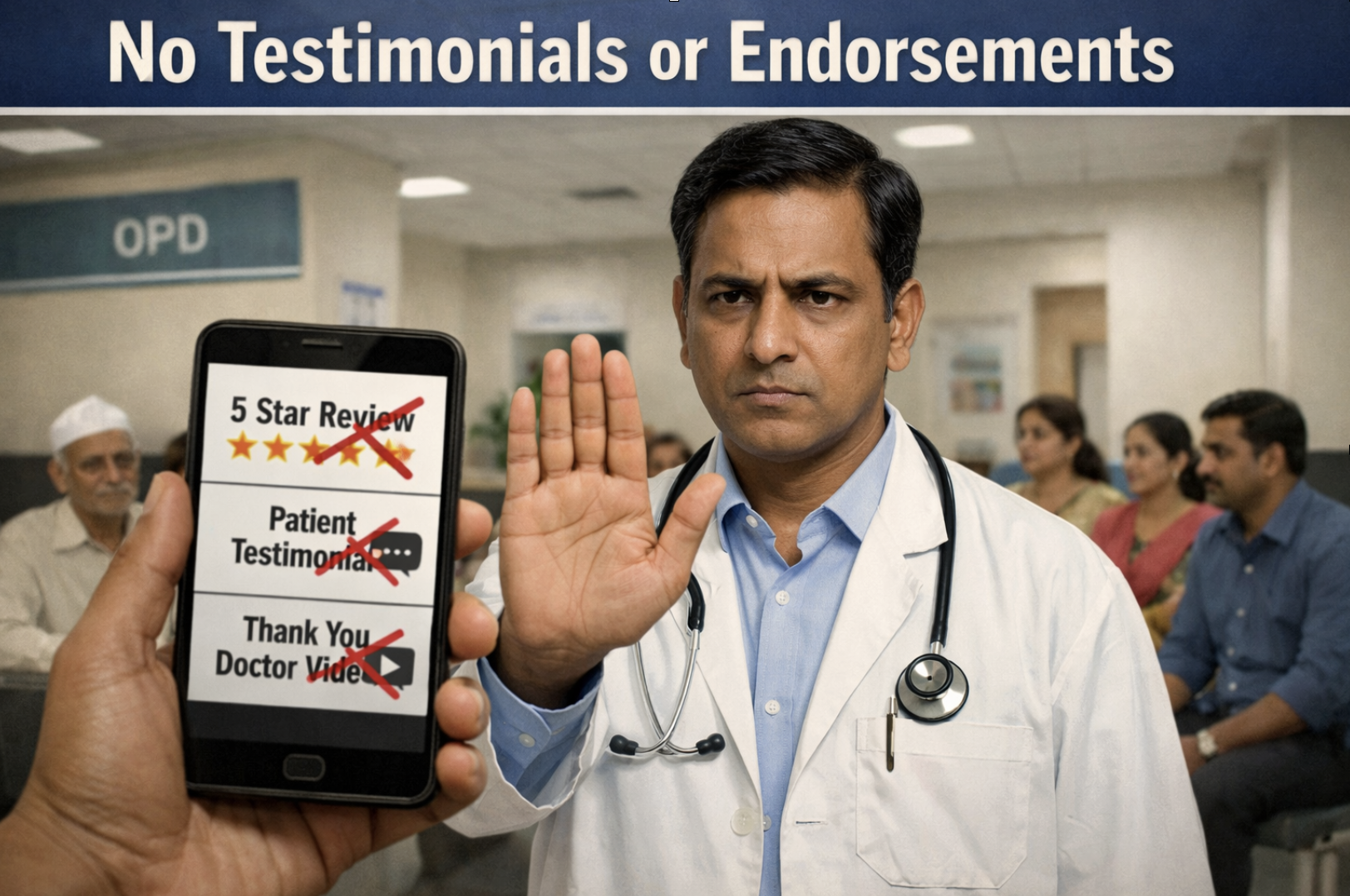
6. No Testimonials or Endorsements
Doctors must not share, request, or display patient testimonials, recommendations, or reviews on social media or websites. Even if a patient is genuinely grateful, using their words as promotional material is not allowed. The medical profession is not a product marketing industry, and trust should not be converted into advertising content.
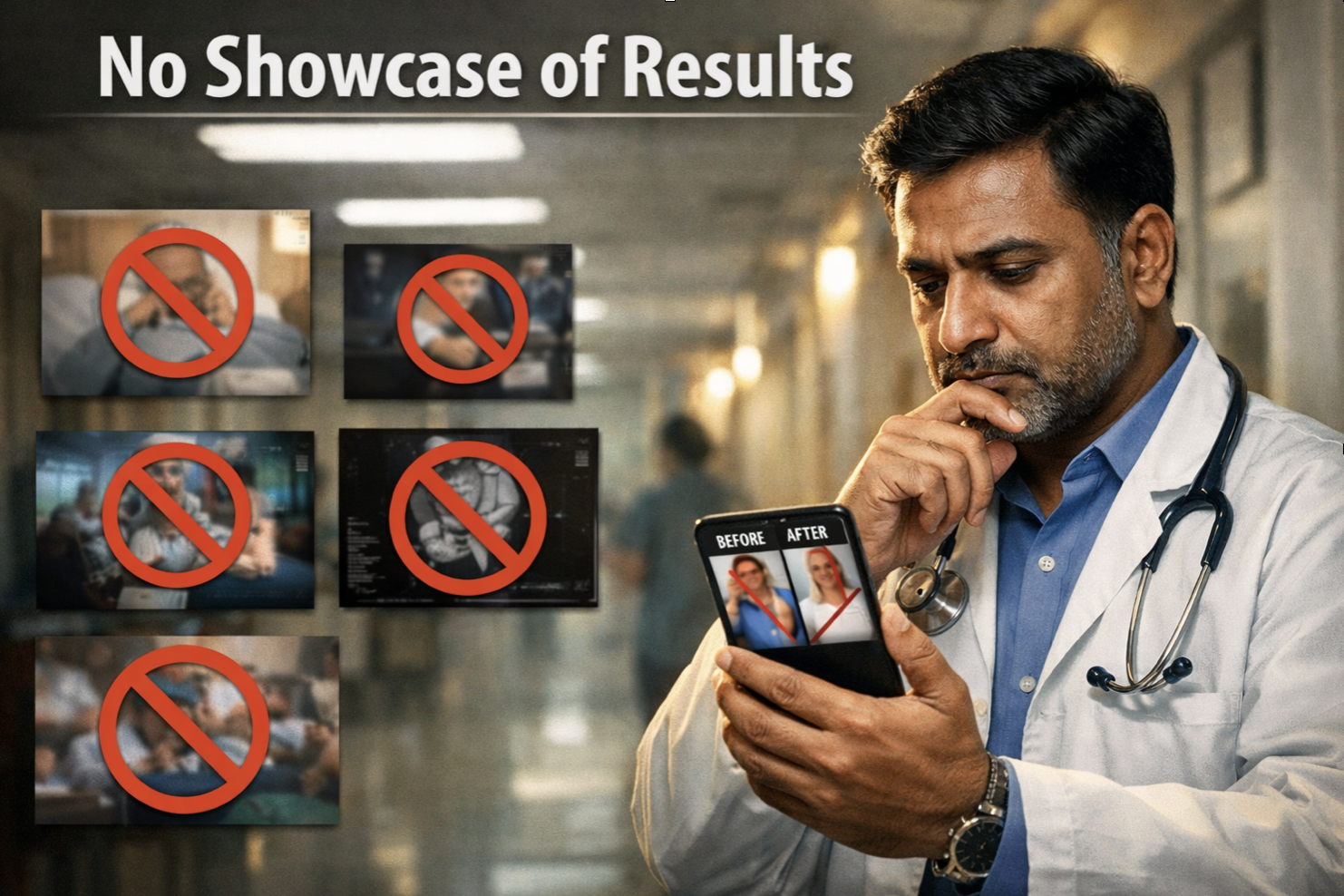
7. No Showcase of Treatment Results
Posting before and after photos, surgery videos, healed patient images, or dramatic recovery stories is strictly prohibited. Even if consent is claimed, such content is considered self promotion and exploitation of patient experience for branding. Medicine is about care, not about showcasing victories like trophies.
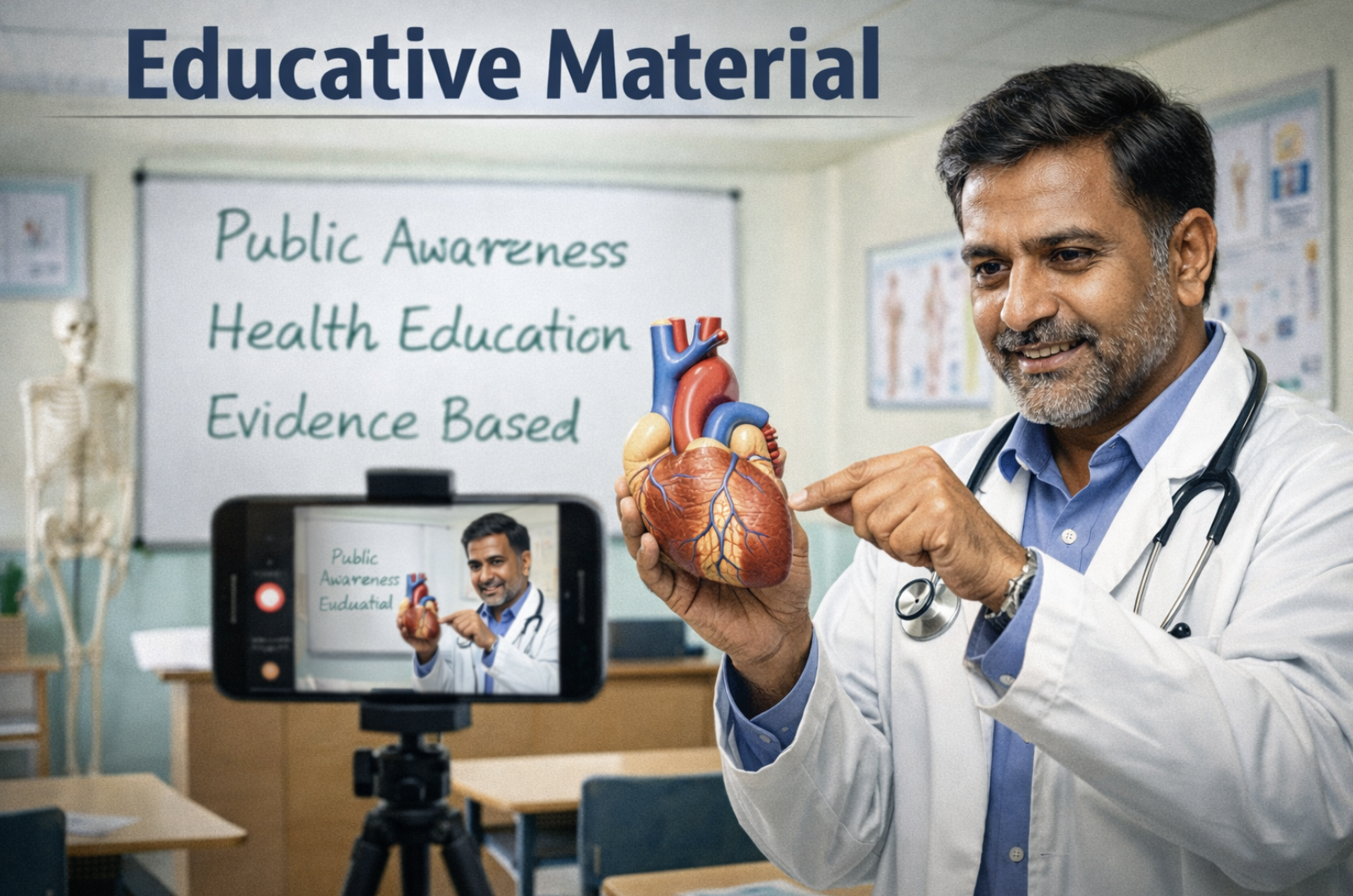
8. Sharing Educative Material Is Allowed
The NMC encourages doctors to share educational and awareness based content for the benefit of the public. However, this content must stay strictly within the doctor’s own field of expertise. A cardiologist should not give dermatology treatment advice, and a surgeon should not give psychiatric prescriptions online. Education is welcome. Overreach is not.
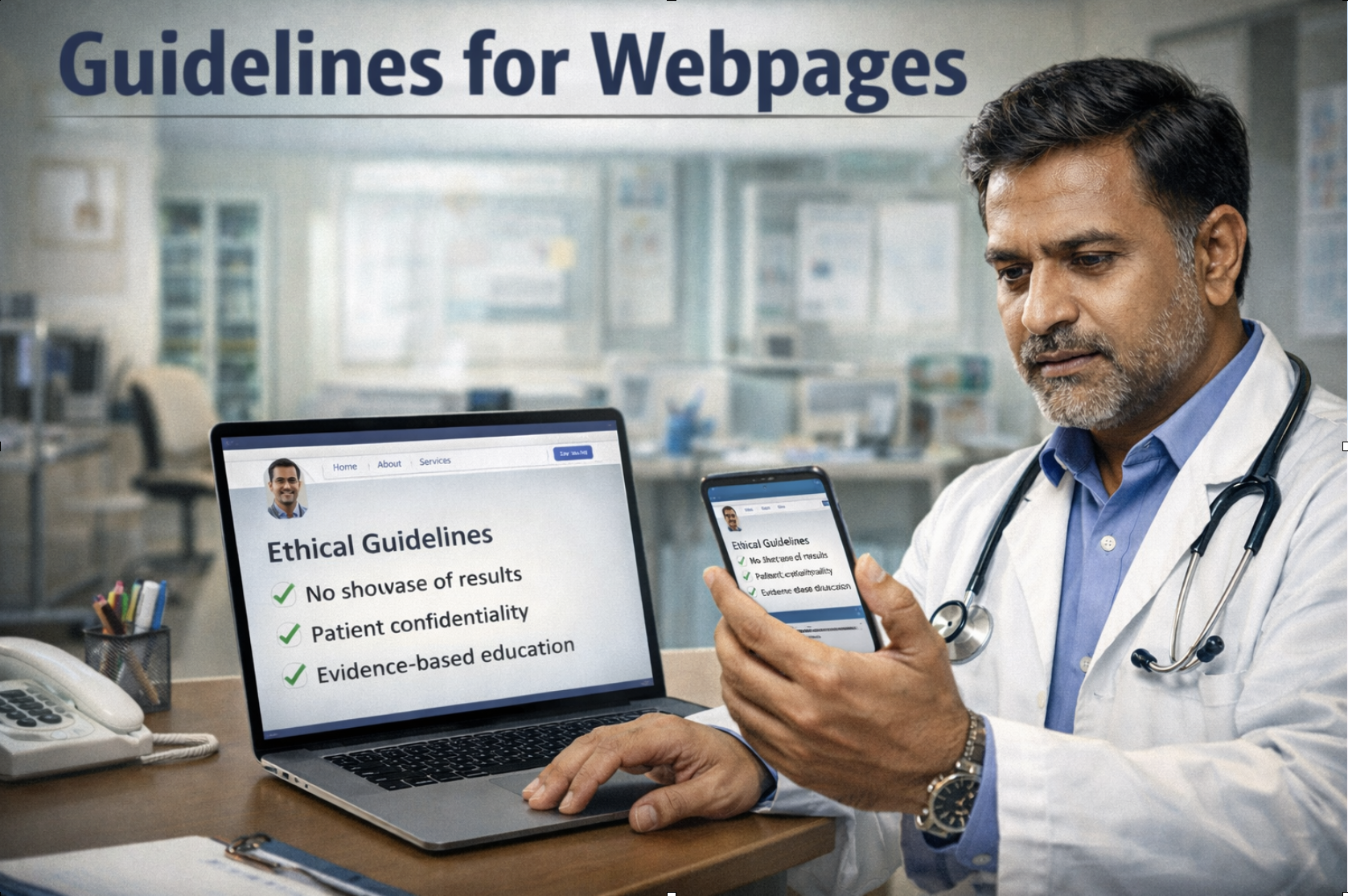
9. Rules for Doctor Managed Websites
The same ethical rules that apply to social media also apply to websites, blogs, and personal professional pages managed by doctors. A website cannot be used to bypass advertising restrictions, showcase patients, or publish testimonials. The digital medium does not change the ethical responsibility.
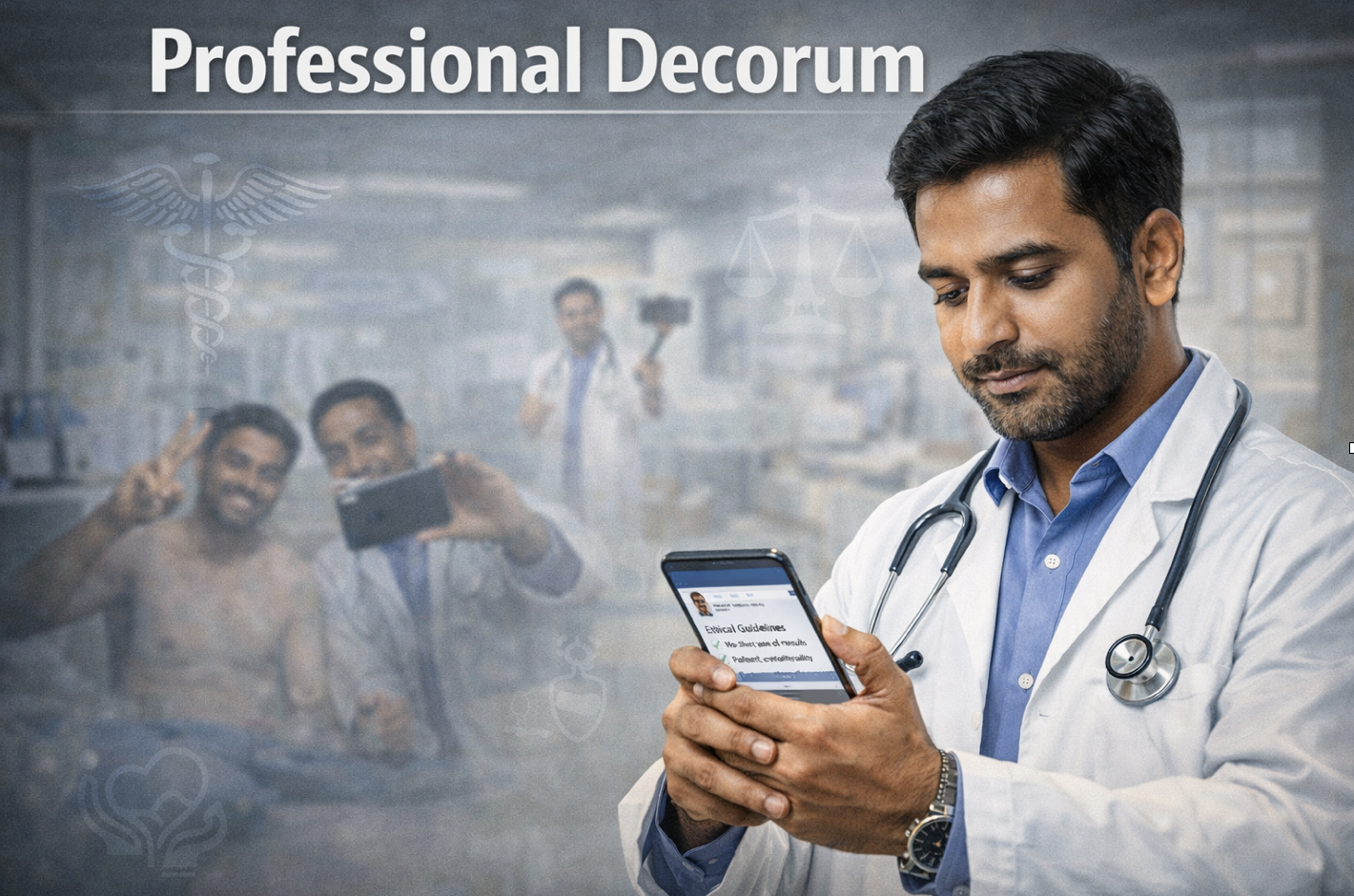
10. Maintaining Professional Decorum
Doctors must always maintain dignity, boundaries, and professional behavior in all online interactions. Flirtatious communication, inappropriate replies, public shaming, or emotionally charged arguments with patients or followers can all be considered violations of professional decorum.
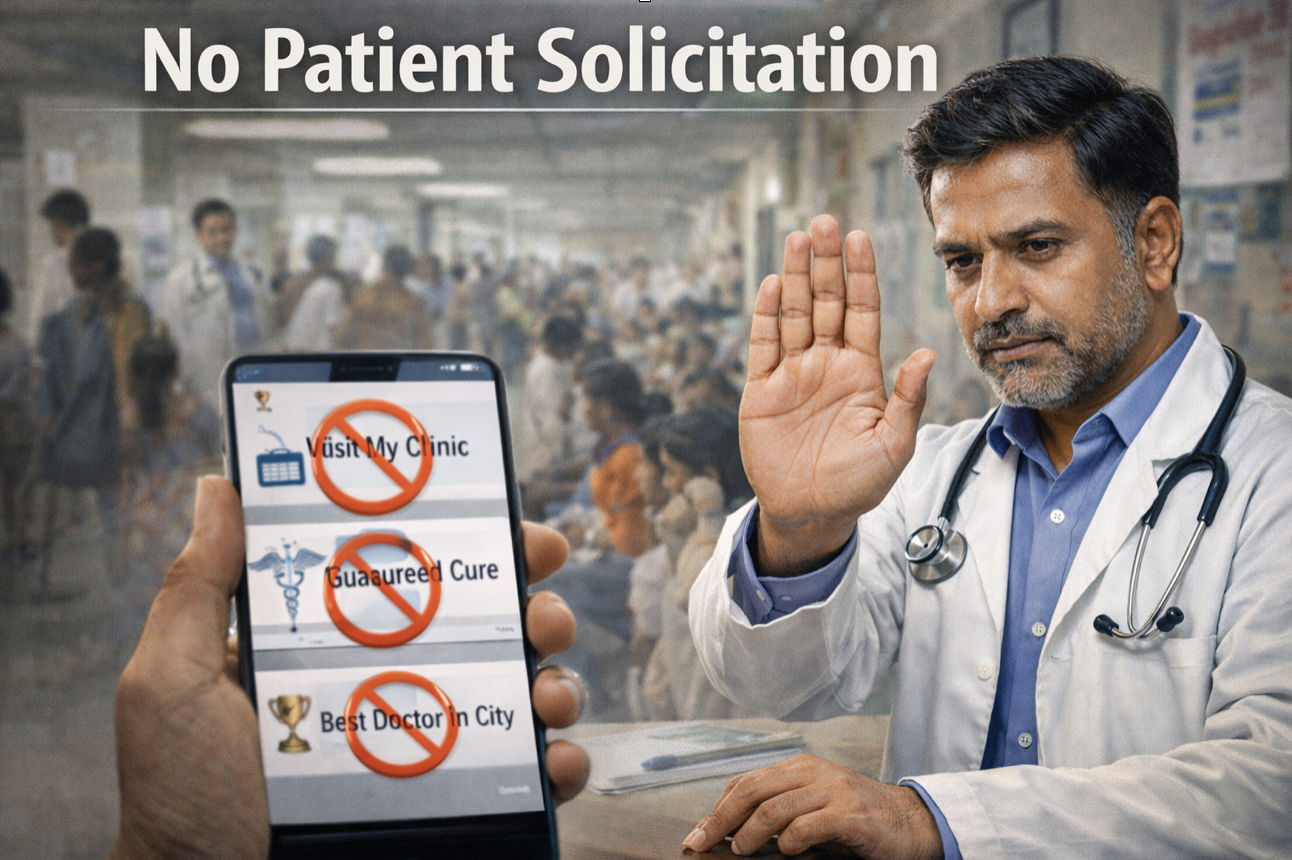
11. No Patient Solicitation
Direct or indirect solicitation of patients through social media is unethical. This includes inviting patients to visit your clinic, promoting special offers, highlighting success rates, or using emotional stories to attract cases. Medical practice must be based on trust and referrals, not digital marketing tactics.
Why These Rules Matter
The NMC Social Media Guidelines 2023 make it clear that what is unethical offline is also unethical online. A doctor’s Instagram page, YouTube channel, or X account is not separate from their professional identity. Any violation can be treated as professional misconduct and may invite disciplinary action from the State Medical Council or the NMC.
The Bigger Message for Doctors
Social media is a powerful tool for public health education, but it is also a legal and ethical minefield. These regulations are not meant to silence doctors, but to protect patients, preserve the dignity of the profession, and prevent medicine from turning into influencer marketing.
Every doctor should read, understand, and follow these guidelines, because in today’s world, a single careless post can do more damage than a hundred careful consultations can repair.
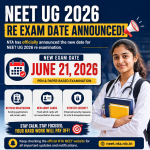
The National Testing Agency has officially announced the new date for the NEET UG 2026 re examination after cancelling the earlier exam due to the alleged paper leak controversy. The re exam will now be conducted on June 21, 2026, affecting more than 22 lakh medical aspirants across India.
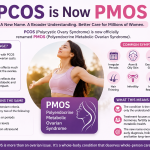
PMOS, previously known as PCOS, is a newly renamed condition that better reflects its hormonal and metabolic effects beyond the ovaries. The change from Polycystic Ovary Syndrome to Polyendocrine Metabolic Ovarian Syndrome highlights its association with insulin resistance, obesity, fertility issues, and long term health risks affecting millions of women worldwide.
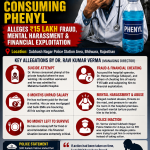
A doctor in Bhilwara allegedly attempted suicide by consuming phenyl after accusing a private hospital operator of financial exploitation, unpaid salary, mental harassment, and police inaction. The incident has sparked concern over workplace conditions and disputes in the medical profession.